


Resources Center
Videos
3Degrees Discussions #114 Features Dr. Agustin Diaz, Advanced Manufacturing and Innovation Manager

White Papers
Chemical-Mechanical Surface Polishing to Improve Mechanical Performance and Corrosion Resistance
The surface finishing process was performed by REM Surface Engineering, using their Extreme ISF Process®. This process combines a chemical polishing (CP) operation followed by […]

White Papers
REM Surface Engineering smooths out issues using Nikon’s micro X-ray CT scanning


White Papers
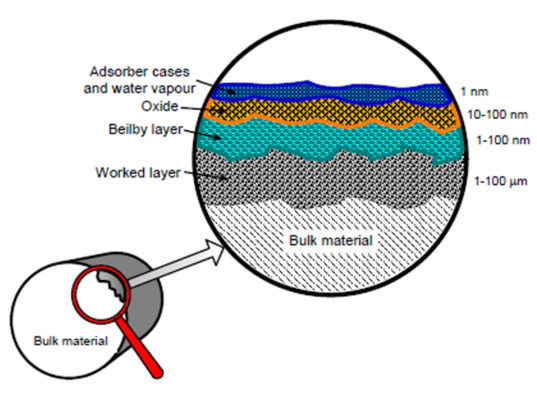
Materials Matter: Roughness Measurement of Precision Gear Teeth
Over the past 25 years, industries such as power generation, aerospace, automotive, and others have continuously increased the operational demands of gearboxes.
White Papers
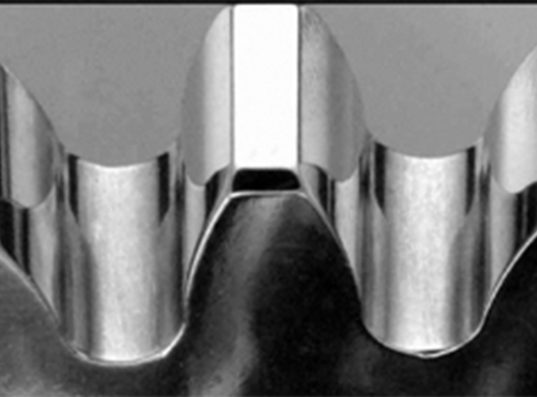
Materials Matter: Gear Surfaces and Operational Performance
In the search for increased performance and durability, gear and bearing design has sought to make use of improved steel grades combined with enhanced heat treatment techniques.
White Papers
Materials Matter: Isotropic Superfinishing
Increasingly stringent operational requirements from customers coupled with enhanced global technical standards have heightened the focus of gear designers on a wide array of parameters that historically would have been of secondary consideration; one such design parameter is surface finish.
White Papers
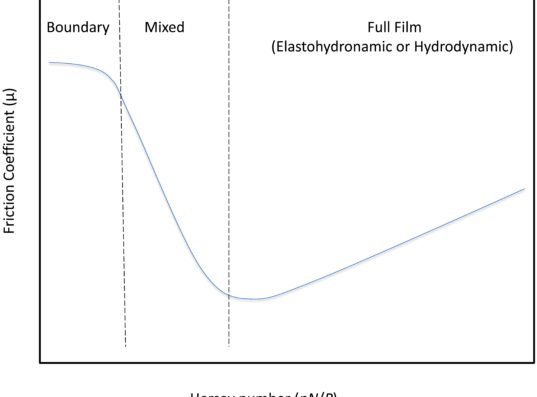
Materials Matter: Optimizing Performance with Surface Finish and Lubrication
Materials and manufacturing processes have evolved to generate lighter, stronger, and more robust components to meet the demand for more efficient, highly loaded mechanical systems.
White Papers
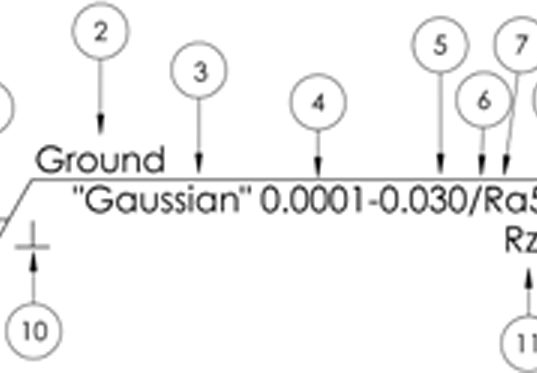
Materials Matter: The Gear Drawing Roughness Specification
In the January Materials Matter column, “Roughness Measurement of Precision Gear Teeth,” the importance of accurate and repeatable roughness measurement of precision gear teeth flanks was explained.
Technical Papers
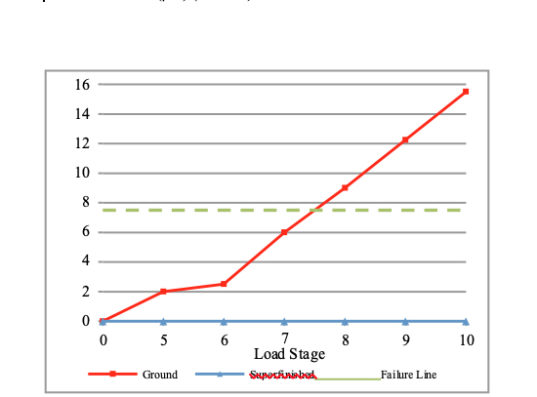
Superfinishing and its Effect on Micropitting
Micropitting is a prominent failure mechanism for both highly stressed case carburized gears and bearings that operate consistently in low speed, low load environments where boundary conditions predominate.
Technical Papers
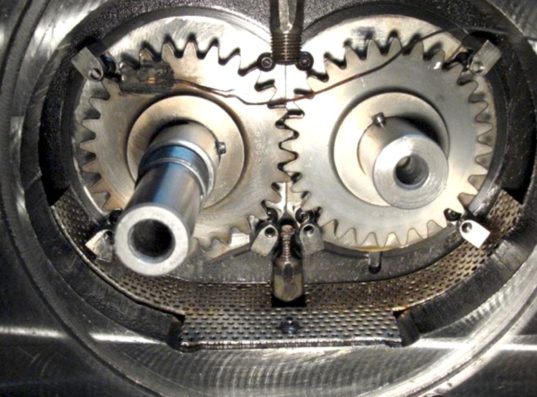
The Impact of Surface Condition and Lubricant on Gear Tooth Friction
Frictional losses in gear boxes are of significant interest to gear box designers as these losses transform into heat. The direct result is a reduction in the fuel efficiency of the vehicle involved.
Technical Papers
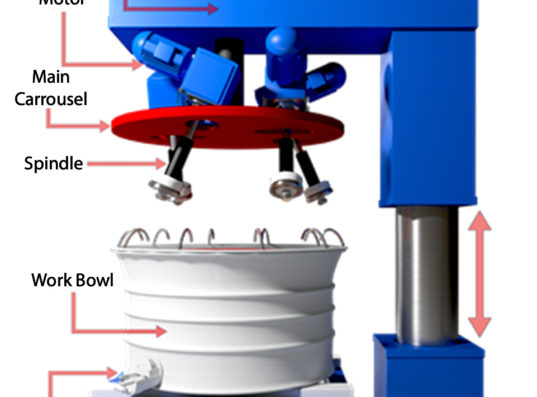
An Evaluation of the New Rapid ISF® Process for Rear-Axle Gears
The benefits gained by Superfinishing rear-axle gearsets using traditional chemically accelerated vibratory finishing is well documented.

Technical Papers
Superfinishing Rear Axle Gears – A Significant Step Toward Reducing Automotive Greenhouse Gas Emissions
New regulations make it imperative that the European and US automotive industries meet strict, lower greenhouse gas emission standards.
Technical Papers
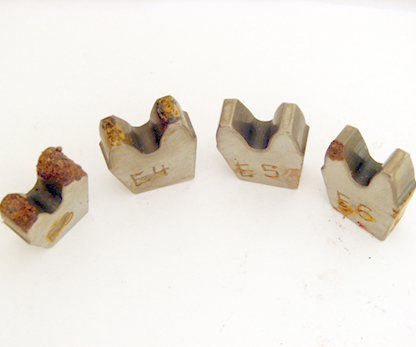
Comparative Corrosion Characteristics of Ground and Superfinished Gear Steels
The described effort was undertaken to assess the impact of the isotropic superfinishing (ISF®) process on the corrosion resistance of a variety of gear steels.
Technical Papers
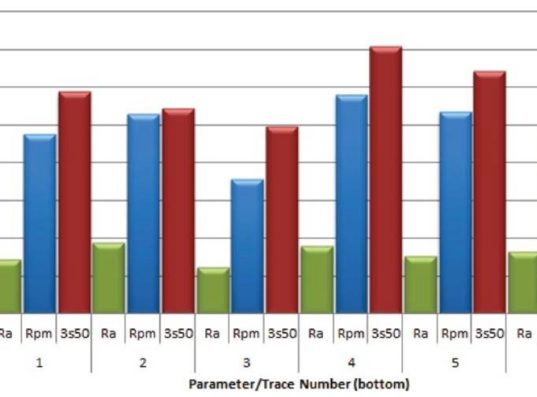
The Effect of the Surface Roughness Profile on Micropitting
A wide choice of surface roughness parameters is available to characterize components, such as gears or bearings, with the goal of predicting the performance of such metal–to–metal contacting parts.
Technical Papers
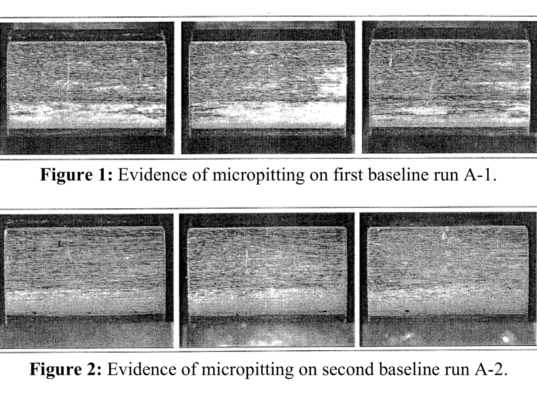
The Effect of Superfinishing on Gear Micropitting, Part I
The most common failure mechanism of highly stressed case carburized gears is micropitting (gray staining). The standard FZG gear test (FVA Work Sheet 54) is generally used to determine the micropitting load capacity of gear lubricants.
